Tata Motors to launch Tamo Racemo as India’s first kit car – Report
Will arrive in India later this year.
The 2017 Geneva Motor Show staged the world premiere of the Tata Motors’ new brand Tamo’s first model – the Tamo Racemo.
The mid-engine sportscar will hit the Indian market as the first
commercially available kit car in the country later this year, reports
Autocar India. The Tamo Racemo is built on the MOFlex Multi-Material Sandwich (MMS) platform.Designed
at the Tata Motors Design Studio in Turin, Italy, the Tamo Racemo is
built on the MOFlex Multi-Material Sandwich (MMS) platform and is the
first passenger vehicle to use this structure. This modular platform
makes it possible to assemble this car from a small number of modules
instead of hundreds of small components used to build a regular car.
Just the way bicycle kits are shipped to dealers and even customers for
assembly at the destination, Tata Motors will ship Tamo Racemo in kits.
Guenter
Butschek, CEO and Managing Director, Tata Motors, told Autocar India at
the 2017 Geneva Motor Show that the Tamo Racemo’s entire production
will not take place in a factory. Instead, workshops set up across the
country will make the Tamo Racemo, and dealerships not willing to scale
up to this operation model will not get to sell the car. The Tamo Racemo sports a modified version of the 1.2-litre Revotron engine that puts out 190 PS and 210 Nm of torque in it.
The
Tamo Racemo measures 3,835 mm in length, 1,810 mm in width and 1,208 in
height, and has a wheelbase of 2,430 mm and a ground clearance of 165
mm. The 2-seat coupe sports a modified version of the 1.2-litre Revotron
turbocharged three-cylinder engine. This unit develops 190 PS and 210
Nm of torque and sends the drive to the rear wheels via a 6-speed
automated manual transmission. The company claims a 0-100 km/h
acceleration time of under 6 seconds. Long before the car’s sales
commence, those interested in giving it a spin can already experience it
in the Forza Horizon 3 video game – a first for an Indian car.
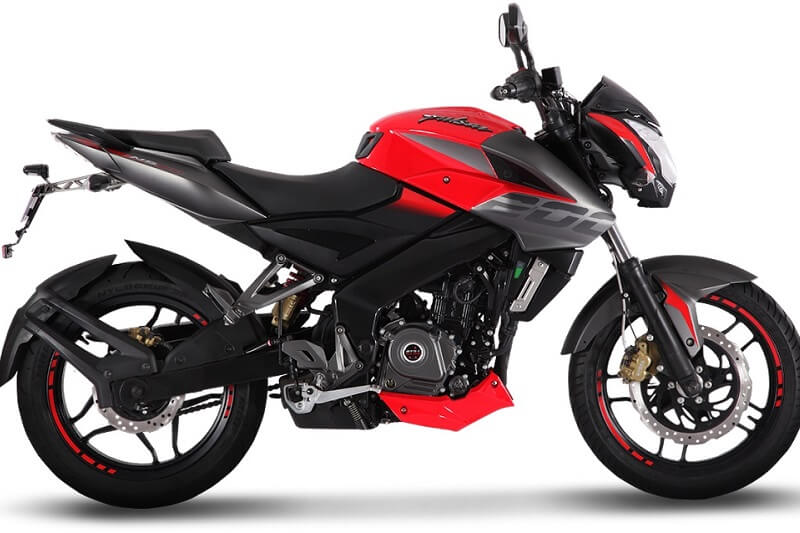
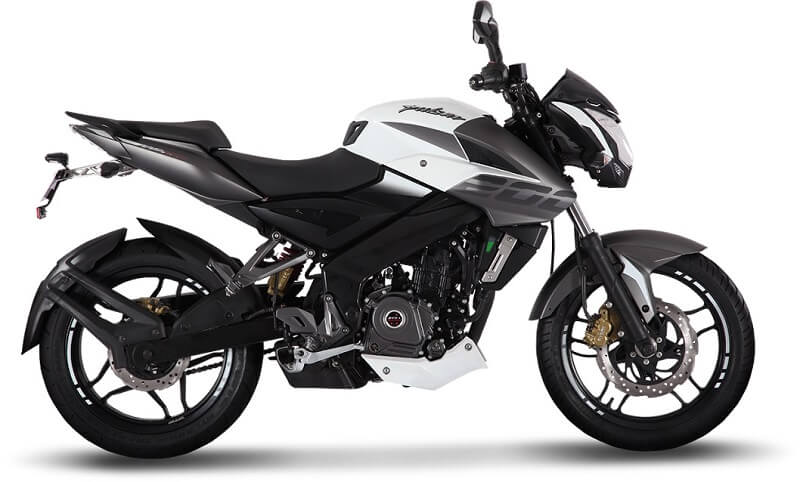
The much-awaited 2017 Bajaj Pulsar NS200 (Naked Sport) has finally
been launched in the Indian two-wheeler market. The updated model has
already been reached to dealerships, and dealers have started taking
pre-orders. The 2017 NS200 is priced at Rs 96,443 (ex-showroom, Navi
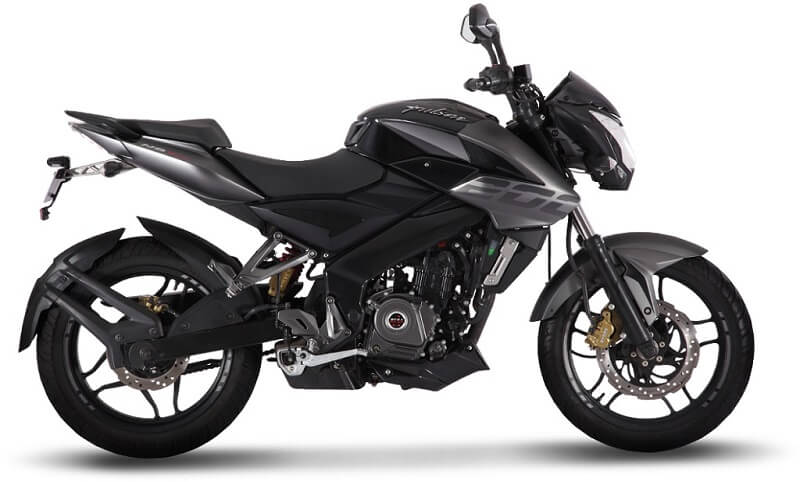
Mumbai). It is available in three colour options – Graphite Black,
Mirage White & Wild Red . As a reminder, the company had
discontinued the bike in 2015 in order to introduce new products like
Pulsar RS200 and AS200.
It was speculated that the bike will be equipped with
fuel-injection system; however, the company sticks with the existing
engine. The FI unit is only restricted to the export model. The 2017
Pulsar NS200 gets cosmetic and mechanical upgrades. It comes with new
colour accents, split seats, beefy fuel tank and 17-inch alloys. Power
the bike is an updated 199.5cc engine that is compliant with BS IV
emission norms. Mated to a 6-speed unit, this powertrain is good for
23bhp and 18.3Nm of torque.
The 2017 Bajaj Pulsar NS200 will face a close competition from the new TVS Apache RTR 200 4V.
As a reminder, the Pulsar 200 NS was, gradually, withdrawn from the
market in early 2015. However, the company never officially suspended
the production of the bike. Read More About – Bajaj Dominar 400 | Bajaj V12 | Bajaj V15
2017 Bajaj Pulsar NS200 Engine Specifications
Specifications
2017 Pulsar NS200
Engine
199.5cc, 1-cylinder, liquid-cooled
Power
23bhp @9750rpm
Torque
18.3Nm @8000rpm
Gearbox
6-speed gearbox
Top Speed
135kmph
0-100kmph
9.65 seconds
Coming to the engine, the 2017 Bajaj Pulsar NS200 is powered by the
same 199.5cc single-cylinder, liquid-cooled, triple spark engine that
does duty in the RS 200 & AS 200. Similar to the 2017 Avenger cruiser range,
Bajaj calibrated this engine to meet the BSIV emission norm. India-spec
model do not have Fuel Injection system; however, the export model gets
FI system.
This engine produces a maximum power of 23bhp at 9,750rpm and 18.3Nm
of torque at 8,000rpm. Power is transmitted to the rear wheel via a
6-speed gearbox.
2017 Bajaj Pulsar NS200 Price In India
The new Pulsar NS200 is priced at Rs 96,443 (ex-showroom, Navi
Mumbai). This naked streetfighter will cost you Rs 1.16 lakh (on-road
Mumbai). 2017 Bajaj Pulsar NS200 Colors – Graphite Black
– Mirage White
– Wild Red
The 2017 Bajaj Pulsar NS200 receives minor design upgrades such as
new body graphics, new seats, different alloy wheels and dual-tone paint
job. The bike shares most of its features with the RS 200 such as
digital instrument console, braking and suspension mechanism, etc. It
gets an auto headlamps on (AHO) function and optional centre stand. Read More – Upcoming New Bajaj Bikes In India In 2016, 2017
2017 Bajaj Pulsar RS200 Launched At Rs 1.21 Lakh
Available in two variants- ABS & Non-ABS, the new Bajaj Pulsar
RS200 gets BSIV compliant 199.5cc, single-cylinder engine mated to a
6-speed gearbox.
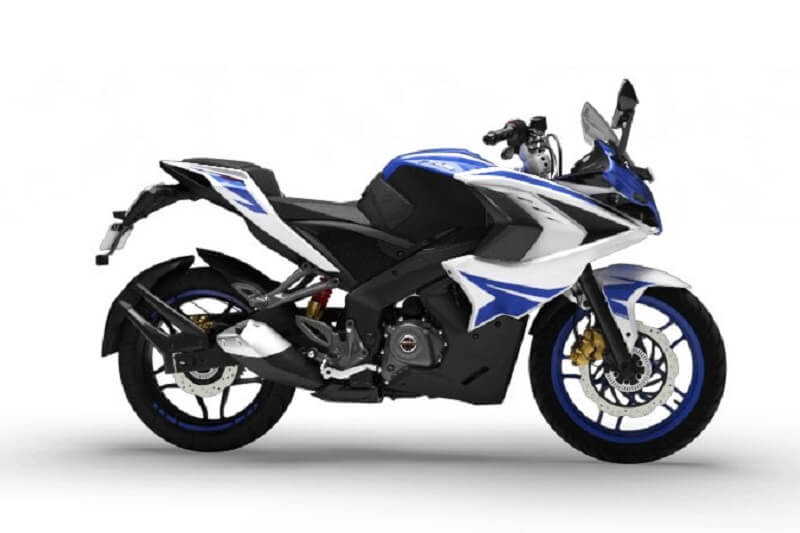
Bajaj Auto has launched the 2017 Pulsar RS200 in the Indian
two-wheeler market. The 2017 Bajaj Pulsar RS200 is available in two
variants – Non-ABS and ABS – priced at Rs 1.21 lakh and Rs 1.33 lakh
(ex-showroom Delhi), respectively. The new model is equipped with BSIV
compliant engine and two new paint jobs – Racing Blue and Graphite
Black. Except for these, the bike remains the same.
Talking about Racing edition, the bike’s front wheel is
painted in Blue while the rear wheel is dipped in black. Adding to it,
the motorcycle gets Blue & White paint scheme for the fairing, fuel
tank and rear. Bookings for the racing blue and graphite black editions
have already started at all Bajaj dealerships, while deliveries is all
set to commence in next few days. The sales of the RS200 shows dip in
the last few months. With these new editions, the company hopes to
improve its sales.
Powering the new Bajaj Pulsar RS200 is the same 199.5 cc single
cylinder, liquid cooled, 4 valve, triple spark engine churning out
24.1bhp at 9,750rpm and 18.6Nm at 8,000rpm. This fuel injected motor,
with a 6-speed gearbox, offers a top speed of 140.8kmph. Though, it is
upgraded to meet BSIV emission standards in India. Read – Bajaj To Launch These 7 Bikes in India in Next Two Years
Braking system of the 2017 Bajaj Pulsar RS200 comprises of 300mm disc
up front with optional ABS and 230mm rear brakes. This fully-faired
bike has telescopic with anti friction bush up front and gas filled
nitrox monosock absorber with Canister rear suspension setup. Similar to
the current model, the 2017 Pulsar RS200 measures 1,999mm long, 765mm
wide and 1,114mm tall. Its ground clearance stands at 157mm.
Design features such as twin projector headlamps with LED pilot
lamps, a big windscreen and LED turn indicators, fairing mounted
mirrors, high raised clip-in handlebar remain unchanged. The bike has a
muscular tank with 13-litres of fuel capacity. Read – Bajaj Dominar 400 – All You Need to Know 2017 Bajaj Pulsar RS200 Price in India
The new Pulsar RS200 is available in two versions – Non ABS and ABS.
While the Non ABS version is priced at Rs 1.21 lakh, the ABS-equipped
model is tagged at Rs 1.33 lakh. Prices are ex-showroom Delhi.
The
Bajaj Pulsar RS400 will share its powertrain with the KTM RC390 - i.e.
375cc, single-cylinder, liquid-cooled with fuel-injected technology.
Bajaj Auto that launched three new Pulsar models (RS200, AS200 and AS150) previous year, is now contemplating the launch of two 400cc bikes under the Pulsar nameplate – CS400
and RS400 (SS400). For people not in the know, the company had
showcased concepts of both the bikes at the 2014 Delhi Auto Expo. While
the CS400 (Cruise Sport)
will be the company’s new flagship product, the Bajaj Pulsar RS400 will
become the most powerful Pulsar upon its launch. The former will come
towards the end of this year, and the latter one is expected to be
rolled out by next year.
Here’s everything you need to know about the Bajaj Pulsar RS400 in 6 quick points –
Bajaj Pulsar RS400 Launch Date
Though there is no clarity about the exact launch date of the Pulsar RS400, we expect it to hit showrooms sometime in 2017.
Bajaj Pulsar RS400 Price in India
Minimum
Rs 1.75 lakh
Maximum
Rs 2 lakh
Bajaj Pulsar RS400 Specifications
Engine
375cc, single-cylinder, liquid-cooled
Max Power
40bhp
Max Torque
30Nm
Top Speed
175kmph
Transmission
6-speed
The Bajaj Pulsar RS400 will be powered by a 375cc liquid-cooled
fuel-injected engine that also does duty in the KTM RC390. The company
hasn’t revealed the exact power figures, but it is expected to deliver
power equal to the KTM 390 Duke i.e. around 40bhp. This engine will get
the company’s patented triple spark technology, and power will be
transferred to wheels via a six-speed gearbox. It is likely to offer a
top speed around 175kmph. Read More About – Bajaj V15 | Bajaj V20 | Bajaj V40
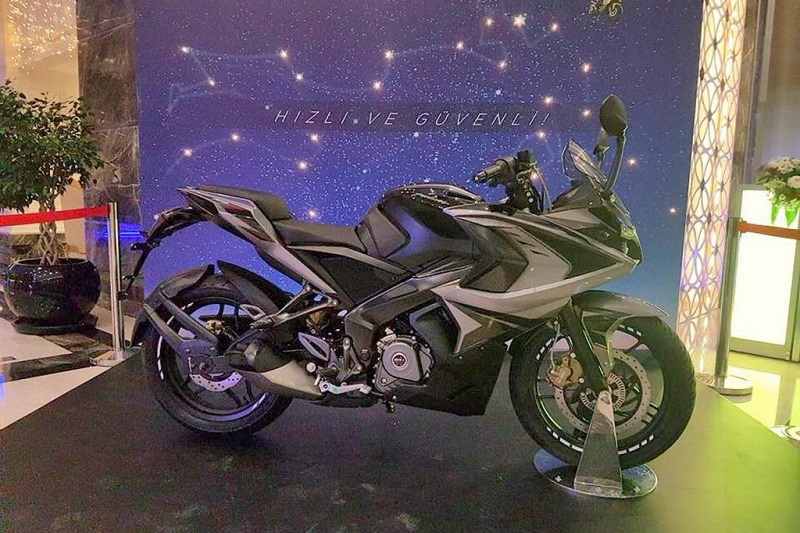
The Bajaj Pulsar RS400 will be sold under Bajaj Auto‘s new ‘race
sport’ category that the company had introduced with the new RS200.
Talking about styling, the bike looks largely identical to the RS200. It
will continue to be based on the perimeter frame chassis with features
like huge fairing, large and bold fuel tank and new tail-lamps. The bike
also gets an analogue tachometer, digital speedometer, and a new small
screen that displays rest of the details. It will be equipped with on
telescopic forks up front and monoshck rear suspension. The 400cc
sportbike will get ABS (Anti-Lock Braking System) as a standard feature. Also Read – Bajaj to Launch These Bikes in the Next Two Years
Bajaj Pulsar RS400 Features
Dual Projector headlamps
LED taillamps
Chiseled fuel tank
Semi-digital instrument cluster
Disc brakes
ABS (Anti-Lock Braking System)
Suspension – Telescopic fork up front and monoshock rear
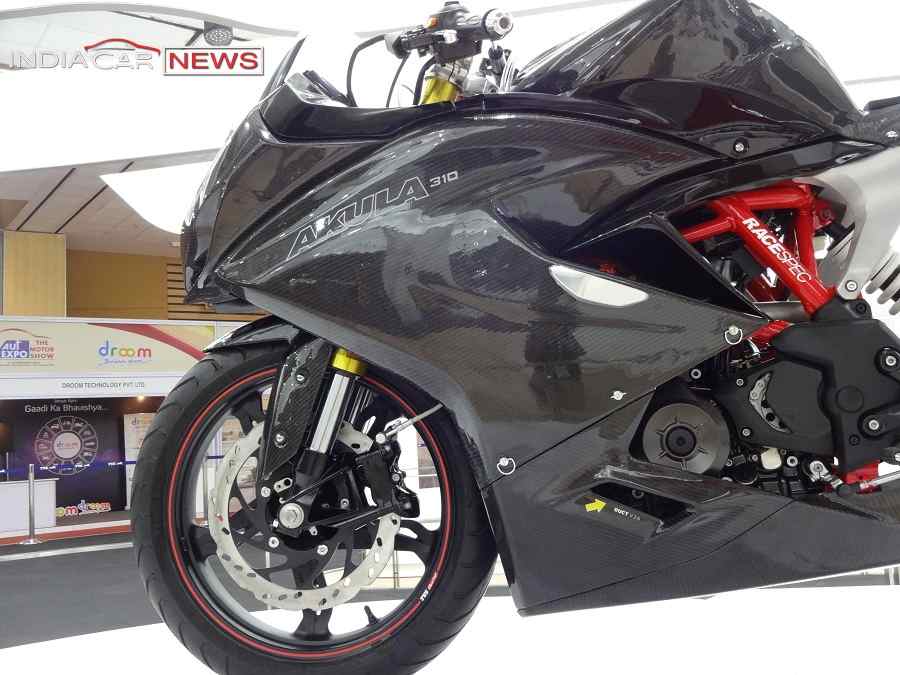
TVS Apache RTR 300 will share its platform, engine and components with the BMW G310 R. (Representational Image)
September 14, 2016 – After the TVS Apache RTR 200 4V, TVS
Motor Company is planning to bring-in 300cc model of the bike. Called
the TVS Apache RTR 300, this motorcycle will be based on the BMW G310 R street fighter that has been jointly developed by TVS & BMW
Motorrad. If reports are to be believed, the TVS Apache RTR 300 could
be named TVS Raptor or Akula 310. However, nothing concrete on the same
has been revealed by the maker. The production version of the bike has
been spotted testing in India yet again. To be launched within this
financial year, the bike will be the company’s new flagship
model. Besides the platform, the new Apache will also share its engine
and several components with the BMW G310R. As a reminder, the TVS Apache
300 was showcased as Akula 301 concept at the 2016 Delhi Auto Expo.
Recently, a fully camouflaged prototype of the TVS Apache RTR
300 (Akula) was spotted testing on the Bangalore Hosur road. Though,
one can clearly notice the new headlamp design, LED pilot lamps and ram
air induction vents that look identical to its concept. Estimated to be
priced below Rs 2 lakh, the TVS Apache 300 will go up against the
Yamaha R3, KTM Duke 390 and other 300cc mototcycles.
TVS Apache RTR 300 (TVS Raptor) Spy Images
TVS Apache RTR 300 (TVS Raptor)India Launch
Though there is no official confirmation about its launch
time, we expect the new TVS Apache 300 to go on sale by the end of 2016
or early 2017.
TVS Apache RTR 300 Price in India
Minimum
Rs 1.80 lakh
Maximum
Rs 2 lakh
Since the new Apache RTR300 will be more powerful and premium than
the Apache RTR200, it will be more expensive than its sibling. We expect
it to be priced below Rs. 2 lakh (ex-showroom). Read More About – TVS X21 Concept | TVS Apache RTR 200 4V |New TVS Victor
TVS Apache RTR 300 Specifications
Engine
313cc, four-stroke, single-cylinder water-cooled
Power
33.4bhp @ 9,500rpm
Torque
28Nm @ 7,500rpm
Transmission
6-speed
Power for the all-new TVS Apache 300 will come from the same 313cc,
4-stroke, single-cylinder water-cooled engine that does duty in the BMW
G310R. This power-source is capable of generating 33.4bhp at 9,500rpm
and 28Nm of torque at 7,500rpm. Transmission duties will carried out by a
6-speed gearbox. The bike is expected to have a top speed of around
155-165kmph.
TVS Apache RTR 300 Mileage
City
25kmpl – 28kmpl
Highway
36kmpl
The new Apache model will be as frugal as the BMW G310R, as both the
bikes share the engine. Powered by the 313cc single-cylinder engine, the
new TSV Apache 300 will return fuel efficiency around 36kmpl.
TVS Apache RTR 300 (TVS Raptor) Design
Similar to the BMW G310R, the new Apache 300cc model might be
equipped with inverted telescopic fork upfront and monoshock rear
suspension system. The bike will get standard disc brake along with the
dual-channel ABS (anti-lock braking system). The TVS Apache 300 carries
an aggressive and sporty design with features like a single projector
headlight, alloy wheels, side mounted exhaust system, etc. With a highly
stiff space frame chassis, an aluminium sub-frame and lightweight
carbon fibre components, this sportsbike will deliver great performance.
TVS Apache RTR 300 (TVS Raptor) Features
• Single projector headlight
• Alloy wheels
• Side mounted exhaust system
• Disc brake with dual-channel ABS
• Inverted telescopic fork upfront and monoshock rear suspension
Spy Image Courtesy – Drivespark
Buoyed by excellent response for V15, Bajaj Auto has recently
launched the newest member of V Series – Bajaj V12 in the country. If
media reports are to be believed, the homegrown two-wheeler maker is
considering a bigger bike under this umbrella. Likely to be named Bajaj
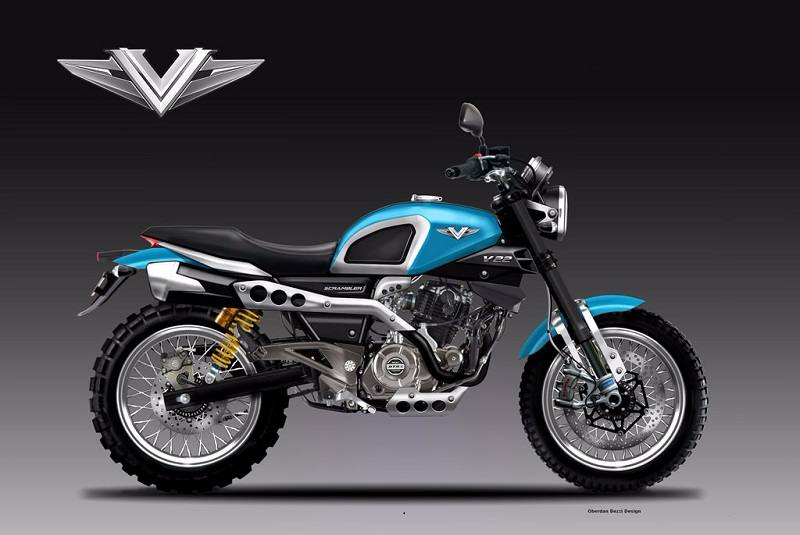
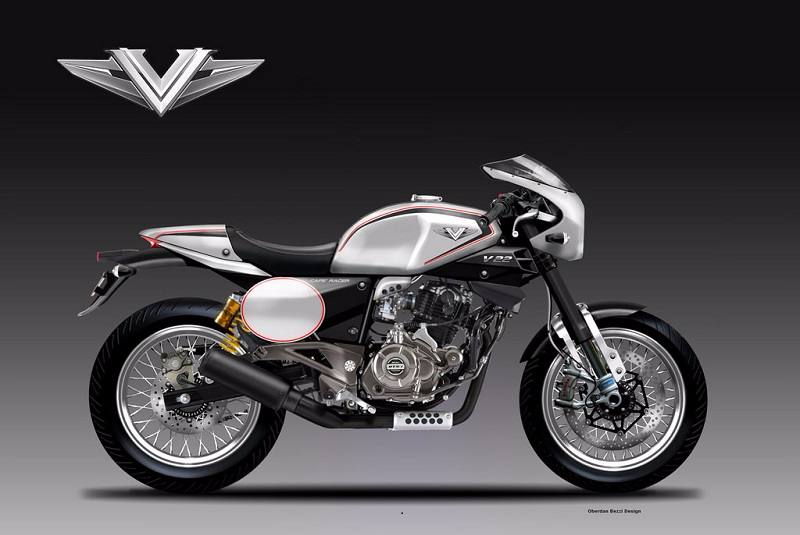
V22, the new motorcycle is expected to be based on the Bajaj Pulsar 220. Oberdan Bezzi, the Italian designer has released a few renderings of this bike.
This motorcycle will use powertrain and chassis from the
popular Pulsar 220. It is likely to be powered by a 220cc oil cooled
engine paired to a 5-speed gearbox. The designer has released two
different renderings – first being a modern day cafe racer while the
second one gets a scrambler look. Rajiv Bajaj, MD Bajaj Auto has
recently confirmed that Bajaj V’s brand has been positioned as a premium
commuter. This further indicates that a more powerful version could
also come to our market. Read More – Bajaj V12 Price, Specifications, Mileage
Bajaj V22 Launch Date
There is no official confirmation from Bajaj Auto about this upcoming
premium V bike. If speculations are to be believed, the motorcycle
could be launched in the market towards the end of this year. We will
update you on this as soon as Bajaj Auto announces anything on the same.
Read More – Upcoming Bajaj Bikes In India
Bajaj V22 Price In India
The new V22 will be positioned alongside the 2017 Pulsar 220. We
expect the new model to be priced in the range of Rs 85,000 to Rs
91,000. Read More – Bajaj V15 – All You Need To Know
Bajaj V22 Engine Specifications
The new motorcycle is expected to be powered by a 220cc oil cooled
engine that churns out a maximum power output of 21.05PS at 8,500rpm and
a peak torque of 19.12Nm at 7,000rpm. Power will be transmitted to the
rear wheels via a 5-speed gearbox.
Going by the renderings, it is visible that the bike will get upside
down front forks. However, the production model could get telescopic
forks upfront and monoshock at the rear. Braking system comprises of
Brembo discs. The Scrambler version gets off-road tyres and ABS
(Anti-Lock Braking System).
Bajaj V22 Mileage
The new motorcycle is expected to be powered by a 220cc oil cooled
engine, and we expect the V22 to return the mileage equivalent to the
later. It is likely to deliver around 30-40kmpl of mileage.
The Bajaj V22 is expected to share most of its styling features from
the V15. The bike carries design elements of both cafe racer and
scrambler, and we expect the new V22 design will be in-line with its
younger sibling. Rendering Source
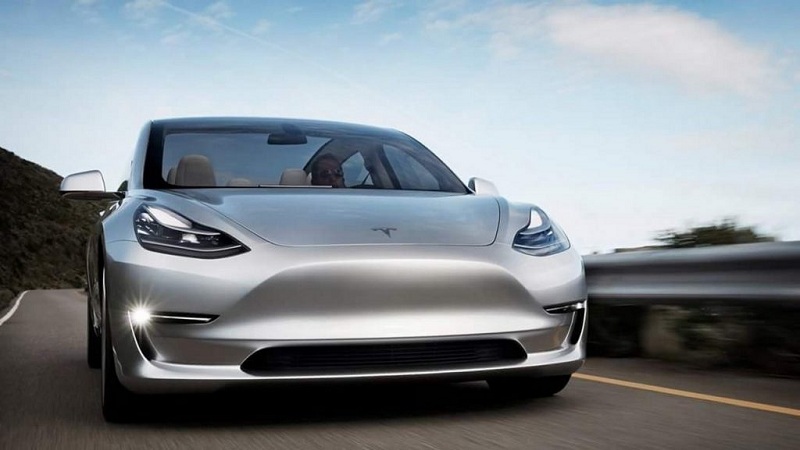
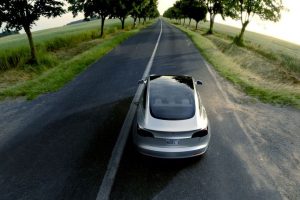
India-bound Tesla Model 3’s New Images Revealed
Considering massive demand of the Tesla Model 3, the carmaker plans
to take the vehicle’s annual production to 500,000 units by 2018.
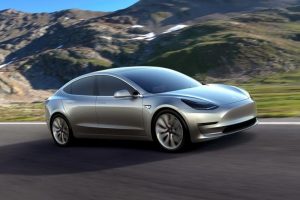
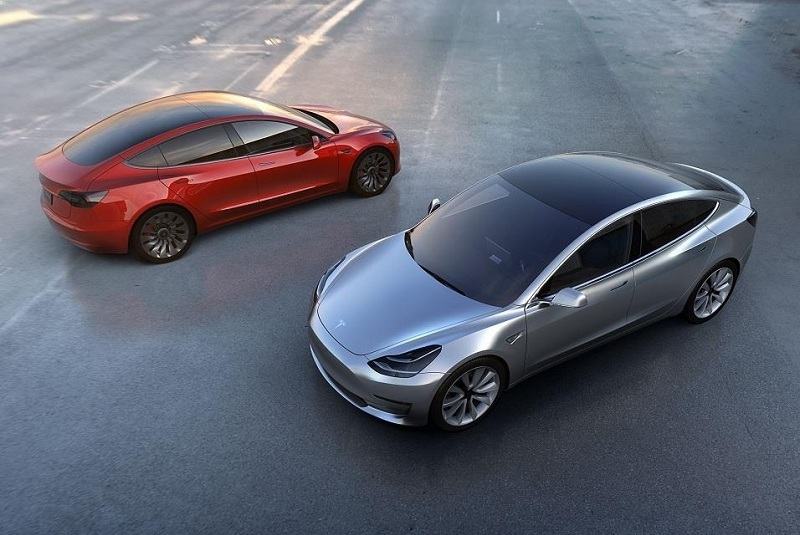
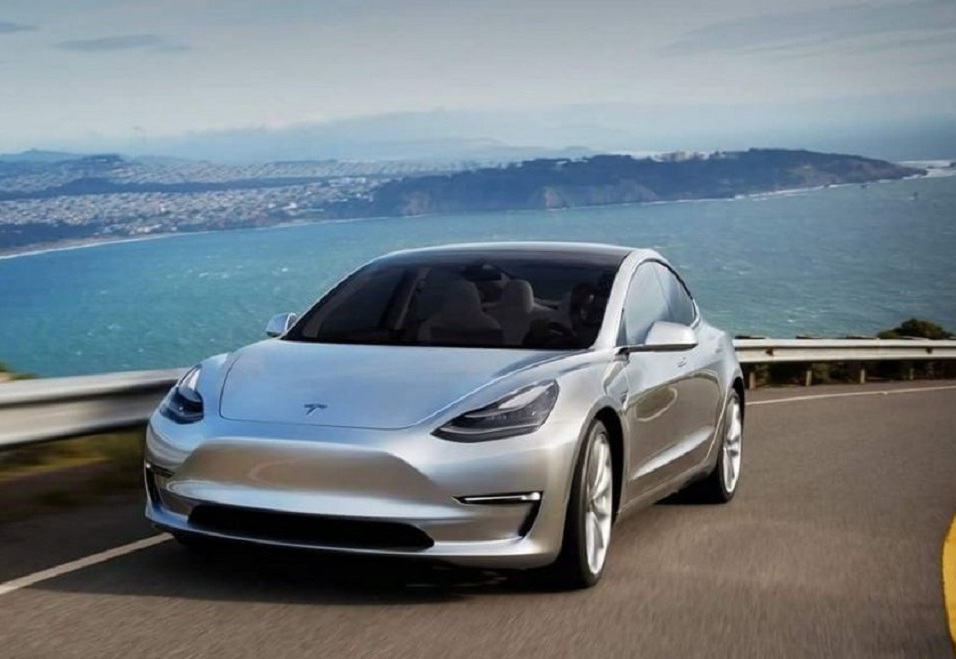
Tesla Model 3 is powered by a 60kw hour lithium-ion battery pack that promises a range of around 300kms per charge.
More images of the Tesla Model 3 have emerged online revealing its
front design. The prototype of the vehicle made its global debut on 31st
March at an event in Los Angeles. The production version of the car
was recently spotted testing in Palo Alto, California. The spy video
reveals clear silhouette of the car that looks exactly same as its
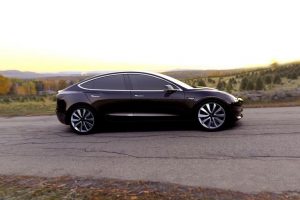
prototype. Painted in matte black finish, the Model 3 carries a
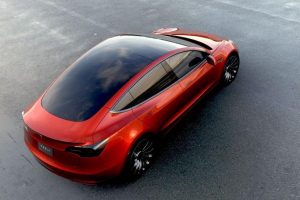
coupe-like rear design that seems inspired from the Model X.
Since its unveiling, the Tesla Model 3 has received an
overwhelming response from buyers across the globe. Touted as the most
affordable electric car from Tesla, the Model 3 received 3,73,000
bookings so far. The Tesla Model 3 will be first model in India from the
US-based electric car giant. The carmaker is also planning setup a wide
Supercharger network across the country.
Here’re all details of the Tesla Model 3 in 9 quick points –
1. Tesla Model 3 India Launch
The Model 3 will enter into production by the end of 2017, and we expect it to be launched in 2018 globally including India.
2. Tesla Model 3 Price in India
Expected Price
Rs 37 lakh (approx.)
Tesla will enter the Indian market with its most affordable sedan –
the Model 3. While in US, it will cost around USD 35,000, the
India-bound model could be priced a little higher due to high taxes on
completely built up units (CBUs).
Tesla Model 3 Spy Video
3. Tesla Model 3 India – Bookings
Online bookings for the Tesla Model 3 were commenced an hour before
its public debut on March 31, 2016. One can pre-book the car by paying a
sum of USD 1,000. Interestingly, people across the globe have already
started visiting Tesla showrooms to enquire about the product. In fact,
the company has received 3.73 lakh pre-orders for the new Tesla Model.
4. Tesla Model 3 India Specifications
Engine
60kw hour lithium-ion battery pack
Range
300kms per charge
Acceleration (0-97kmph)
4 seconds
Drivetrain System
RWD & AWD
Tesla Model 3 India Images
5. Tesla Model 3 India Features
Exterior
Smooth character lines
Sloppy panoramic glass roof
Sporty alloy wheels
Large windshields
LED tail lamps Interior
15-inch landscape touchscreen
sensors for autonomous driving
Extra legroom
The Tesla Model 3 sedan will also be introduced in other developing
nations including Brazil, New Zealand, South Korea, South Africa,
Ireland and Singapore, confirmed Elon Musk, Founder & CEO Tesla
Motors, on his Twitter handle. Tesla has designed the Model 3 in such a
way that the company can produce the vehicle quickly while keeping the
cost under check. The Model 3 is claimed to have a new structure, new
battery architecture and new motor technology.
6. Tesla Model 3 India – Exterior
The Tesla Model 3 is based on an all-new platform, and shares most of
its design elements with the Model S. Though, it’s about 20% smaller
than its sibling. The Model 3 looks quite sporty, thanks to its smooth
character lines and a sloppy panoramic glass roof. Other styling
features include large windshields, LED tail lamps and a pair of sporty
alloy wheels. Unlike its prototype, the production-ready Model 3 will
come with a black chrome grille.
7. Tesla Model 3 India – Interior
Ditching Tesla’s conventional 17-inch portrait touchscreen, the Model
3 features a 15-inch landscape touchscreen integrated on the dashboard.
This display shows speed and gear selection in the upper corner, and
climate control at the bottom side. The sedan might be offered with
sensors for autonomous driving, though the company could charge
additional fees to activate them. The rear seat occupants might get some
additional legroom as the electric drive system doesn’t require
transmission tunnel that saves hump space in the middle of the floor.
8. Tesla Model 3 India – Engine & Transmission
Power for the Tesla Model 3 comes from a 60kw hour lithium-ion
battery pack that promises a range of 300kms per charge. The same
powertrain will also be used for the 2017 Chevrolet Bolt. With a power
of 7,200 Superchargers, the Model 3 can do 0-97kph in under 4 seconds.
The saloon will be offered in both RWD (rear wheel drive) and AWD
(all-wheel drive) systems.
9. Tesla Model 3 – Warranty
Similar to the Model S, the Model 3 will be offered with an 8 year,
infinite-mile, transferable warranty on the battery and drive unit. This
was confirmed by Musk in August 2014.
Video Source: Jeff Klakring YouTube
Tata Motors Limited (formerly TELCO, short for Tata Engineering and Locomotive Company) is an Indian multinationalautomotive manufacturing company headquartered in Mumbai, India, and a member of the Tata Group. Its products include passenger cars, trucks, vans, coaches, buses, construction equipment and military vehicles.[3]
Tata Motors has auto manufacturing and assembly plants in Jamshedpur, Pantnagar, Lucknow, Sanand, Dharwad, and Pune in India, as well as in Argentina, South Africa, Great Britain and Thailand. It has research and development centres in Pune, Jamshedpur, Lucknow, and Dharwad, India and in South Korea, Great Britain and Spain. Tata Motors' principal subsidiaries purchased the English premium car maker Jaguar Land Rover (the maker of Jaguar and Land Rover cars) and the South Korean commercial vehicle manufacturer Tata Daewoo. Tata Motors has a bus-manufacturing joint venture with Marcopolo S.A. (Tata Marcopolo), a construction-equipment manufacturing joint venture with Hitachi (Tata Hitachi Construction Machinery), and a joint venture with Fiat Chrysler which manufactures automotive components and Fiat Chrysler and Tata branded vehicles.
Founded in 1945 as a manufacturer of locomotives, the company manufactured its first commercial vehicle in 1954 in a collaboration with Daimler-Benz AG, which ended in 1969. Tata Motors entered the passenger vehicle market in 1991 with the launch of the Tata Sierra, becoming the first Indian manufacturer to achieve the capability of developing a competitive indigenous automobile.[4] In 1998, Tata launched the first fully indigenous Indian passenger car, the Indica, and in 2008 launched the Tata Nano, the world's cheapest car. Tata Motors acquired the South Korean truck manufacturer Daewoo Commercial Vehicles Company in 2004 and purchased Jaguar Land Rover from Ford in 2008.
Tata entered the commercial vehicle sector in 1954 after forming a joint venture with Daimler-Benz of Germany. After years of dominating the commercial vehicle market in India, Tata Motors entered the passenger vehicle market in 1991 by launching the Tata Sierra, a multi utility vehicle. Tata subsequently launched the Tata Estate (1992; a station wagon design based on the earlier 'TataMobile' (1989), a light commercial vehicle), the Tata Sumo (1994; LCV) and the Tata Safari (1998; India's first sports utility vehicle).
Tata launched the Indica in 1998, the first fully indigenous Indian passenger car. Although initially criticized by auto analysts, its excellent fuel economy, powerful engine, and an aggressive marketing strategy made it one of the best-selling cars in the history of the Indian automobile industry. A newer version of the car, named Indica V2, was a major improvement over the previous version and quickly became a mass favourite. Tata Motors also successfully exported large numbers of the car to South Africa. The success of the Indica played a key role in the growth of Tata Motors.[6]
In 2004, Tata Motors acquired Daewoo's South Korea-based truck manufacturing unit, Daewoo Commercial Vehicles Company, later renamed Tata Daewoo.[7]
On 27 September 2004, Tata Motors rang the opening bell at the New York Stock Exchange to mark the listing of Tata Motors.[8]
In 2005, Tata Motors acquired a 21% controlling stake in the Spanish bus and coach manufacturer Hispano Carrocera.[9]Tata Motors continued its market area expansion through the introduction of new products such as buses (Starbus and Globus, jointly developed with subsidiary Hispano Carrocera) and trucks (Novus, jointly developed with subsidiary Tata Daewoo).
In 2006, Tata formed a joint venture with the Brazil-based Marcopolo, Tata Marcopolo Bus, to manufacture fully built buses and coaches.[10]
In 2008, Tata Motors acquired the English car maker Jaguar Land Rover, manufacturer of the Jaguar and Land Rover from Ford Motor Company.[11][12][13][14]
In May 2009, Tata unveiled the Tata World Truck range jointly developed with Tata Daewoo;[15] the range went on sale in South Korea, South Africa, the SAARC countries, and the Middle East at the end of 2009.[15]
Tata acquired full ownership of Hispano Carrocera in 2009.[16]
In 2010, Tata Motors acquired an 80% stake in the Italian design and engineering company Trilix for €1.85 million. The acquisition formed part of the company's plan to enhance its styling and design capabilities.[18]
In 2012, Tata Motors announced it would invest around ₹6 billion in the development of Futuristic Infantry Combat Vehicles in collaboration with DRDO.[19]
In 2013, Tata Motors announced it will sell in India, the first vehicle in the world to run on compressed air (engines designed by the French company MDI) and dubbed "Mini CAT".
In 2014, Tata Motors introduced first Truck Racing championship in India "T1 Prima Truck Racing Championship".
On 26 January 2014, the Managing Director Karl Slym was found dead. He fell from the 22nd floor to the fourth floor of the Shangri-La Hotel in Bangkok, where he was to attend a meeting of Tata Motors Thailand.[20]
On 2 November 2015, Tata Motors announced Lionel Messi as global brand ambassador at New Delhi, to promote and endorse passenger vehicles globally.[21]
On 27 December 2016, Tata Motors announced the Bollywood actor Akshay Kumar as brand ambassador for its commercial vehicles range.[22]
Tata Motors has vehicle assembly operations in India, Great Britain, South Korea, Thailand, Spain and South Africa. It plans to establish plants in Turkey, Indonesia, and Eastern Europe.
Tata Motors Cars is a division of Tata Motors which produces passenger cars under the Tata Motors marque. Tata Motors is among the top four passenger vehicle brands in India with products in the compact, midsize car, and utility vehicle segments.[23] The company's manufacturing base in India is spread across Jamshedpur (Jharkhand), Pune (Maharashtra), Lucknow (Uttar Pradesh), Pantnagar (Uttarakhand), Dharwad (Karnataka) and Sanand (Gujarat). Tata's dealership, sales, service, and spare parts network comprises over 3,500 touch points.[23] Tata Motors has more than 250 dealerships in more than 195 cities across 27 states and four Union Territories of India.[24] It has the third-largest sales and service network after Maruti Suzuki and Hyundai.
Tata LPT Trucks made at overseas plants
Tata also has franchisee/joint venture assembly operations in Kenya, Bangladesh, Ukraine, Russia, and Senegal.[25] Tata has dealerships in 26 countries across 4 continents.[26] Tata is present in many countries, it has managed to create a large consumer base in the Indian Subcontinent, namely India, Bangladesh, Bhutan, Sri Lanka and Nepal. Tata is also present in Italy,[27]Spain,[28] Poland,[29]Romania,[30]Turkey,[31]Chile,[32] South Africa,[33] Oman, Kuwait, Qatar, Saudi Arabia, United Arab Emirates, Bahrain, Iraq, Syria and Australia.
The Tata Prima heavy truck on the roads of Lucknow
Tata Daewoo (officially Tata Daewoo Commercial Vehicle Company and formerly Daewoo Commercial Vehicle Company) is a commercial vehicle manufacturer headquartered in Gunsan, Jeollabuk-do, South Korea, and a wholly owned subsidiary of Tata Motors. It is the second-largest heavy commercial vehicle manufacturer in South Korea and was acquired by Tata Motors in 2004. The principal reasons behind the acquisition were to reduce Tata's dependence on the Indian commercial vehicle market (which was responsible for around 94% of its sales in the MHCV segment and around 84% in the light commercial vehicle segment) and expand its product portfolio by leveraging on Daewoo's strengths in the heavy-tonnage sector.
Tata Motors has jointly worked with Tata Daewoo to develop trucks such as Novus and World Truck and buses including GloBus and StarBus. In 2012, Tata began developing a new line to manufacture competitive and fuel-efficient commercial vehicles to face the competition posed by the entry of international brands such as Mercedes-Benz, Volvo, and Navistar into the Indian market.[34]
Tata Hispano Motors Carrocera, S.A. was a bus and coach manufacturer based in Zaragoza, Aragon, Spain, and a wholly owned subsidiary of Tata Motors. Tata Hispano has plants in Zaragoza, Spain, and Casablanca, Morocco. Tata Motors first acquired a 21% stake in Hispano Carrocera SA in 2005,[9] and purchased the remaining 79% for an undisclosed sum in 2009, making it a fully owned subsidiary, subsequently renamed Tata Hispano. In 2013, Tata Hispano ceased production at its Zaragoza plant.[35]
Jaguar Land Rover PLC is an English premium automaker headquartered in Whitley, Coventry, Great Britain, and has been a wholly owned subsidiary of Tata Motors since June 2008, when it was acquired from Ford Motor Company of USA.[36] Its principal activity is the development, manufacture and sale of Jaguar Cars luxury and sports cars and Land Rover premium four-wheel-drive vehicles.
TML Drivelines Ltd. is a wholly owned subsidiary of Tata Motors engaged in the manufacture of gear boxes and axles for heavy and medium commercial vehicles. It has production facilities at Jamshedpur and Lucknow. TML Forge division is also a recent acquisition of TML Drivelines. TML Drivelines was formed through the merger of HV Transmission and HV Axles .
Tata Technologies Limited (TTL) is an 86.91%-owned subsidiary of Tata Motors which provides design, engineering, and business process outsourcing services to the automotive industry. It is headquartered in Pune (Hinjewadi) and also has operations in London, Detroit and Thailand. Its clients include Ford, General Motors, Honda, and Toyota.
The British engineering and design services company Incat International, which specialises in engineering and design services and product lifecycle management in the automotive, aerospace, and engineering sectors, is a wholly owned subsidiary of TTL. It was acquired by TTL in August 2005 for ₹4 billion.
The Tata Motors European Technical Centre (TMETC) is an automotive design, engineering, and research company based at Warwick Manufacturing Group (WMG) on the campus of the University of Warwick in Great Britain. It was established in 2005 and is a wholly owned subsidiary of Tata Motors. It was the joint developer of the World Truck.[37]
In September 2013, it was announced that a new National Automotive Innovation Campus would be built at WMG at Warwick's main campus at a cost of £100 million.[38][39] The initiative will be a partnership between Tata Motors, the university, and Jaguar Land Rover, with £30 million in funding coming from Tata Motors.[40]
Tata Marcopolo is a bus-manufacturing joint venture between Tata Motors (51%) and the Brazil-based Marcopolo S.A. (49%). The joint venture manufactures and assembles fully built buses and coaches targeted at developing mass rapid transportation systems. It uses technology and expertise in chassis and aggregates from Tata Motors, and know-how in processes and systems for bodybuilding and bus body design from Marcopolo. Tata Marcopolo has launched a low-floor city bus which is widely used by transport corporations in many Indian cities. Its manufacturing facility is based in Dharwad, Karnataka State, India.
Fiat-Tata is an India-based joint venture between Tata and Fiat Automobiles which produces Fiat and Tata branded passenger cars, as well as engines and transmissions. Tata Motors has gained access to Fiat's diesel engine and transmission technology through the joint venture.[41]
The two companies formerly also had a distribution joint venture through which Fiat products were sold in India through joint Tata-Fiat dealerships. This distribution arrangement was ended in March 2013; Fiats have since been distributed in India by Fiat Automobiles India Limited, a wholly owned subsidiary of Fiat.[42][43]
Tata Hitachi Construction Machinery is a joint venture between Tata Motors and Hitachi which manufactures excavators and other construction equipment. It was previously known as Telcon Construction Solutions.
For details of Tata Motors passenger cars, see Tata Motors Cars. For details of Land Rover products, see Land Rover. For details of Jaguar products, see Jaguar Cars.
Tata Motors proposed overhaul of armoured fighting vehicles and infantry main combat vehicles in 2015. The inter-ministerial committee was chaired by Secretary in the Department of Industrial Policy and Promotion (DIPP) approved most of the proposals from the defense Manufacturing sector in India.[44]
Tata Motors has unveiled electric versions of the Tata Indica passenger car powered by TM4 electric motors and inverters,[45] as well as the Tata Ace commercial vehicle, both of which run on lithium batteries.
Tata Motors' UK subsidiary, Tata Motors European Technical Centre, has bought a 50.3% holding in electric vehicle technology firm Miljøbil Grenland/Innovasjon of Norway for US$1.93 million, which specialises in the development of innovative solutions for electric vehicles, and plans to launch the electric Indica hatchback in Europe next year.[46][47][48] In September 2010, Tata Motors presented four CNG–Electric Hybrid low-floored Starbuses to the Delhi Transport Corporation, to be used during the Commonwealth Games. These were the first environmentally friendly buses to be used for public transportation in India.
Tata Nano is often cited as the world's most affordable car
The Nano was launched in 2009 as a city car intended to appeal as an affordable alternative to the section of the Indian populace that is primarily the owner of motorcycles and has not bought their first car. Initially priced at ₹100,000 (US$1,500), the vehicle attracted a lot of attention for its relatively low price.
Tata Ace, India's first indigenously developed sub-one-ton minitruck, was launched in May 2005. The minitruck was a huge success in India with auto analysts claiming that Ace had changed the dynamics of the light commercial vehicle (LCV) market in the country by creating a new market segment termed the small commercial vehicle segment. Ace rapidly emerged as the first choice for transporters and single truck owners for city and rural transport. By October 2005, LCV sales of Tata Motors had grown by 36.6% to 28,537 units due to the rising demand for Ace. The Ace was built with a load body produced by Autoline Industries.[49] By 2005, Autoline was producing 300 load bodies per day for Tata Motors.
Ace is still a top seller for TML with 500,000 units sold by June 2010.[50] In 2011, Tata Motors invested Rs 1000 crore in Dharwad Plant, Karnataka, with the capacity of 90,000 units annually and launched two models of 0.5-T capacity as Tata Ace Zip, Magic Iris.[51]
Ace has also been exported to several Asian, European, South American, and African countries and all-electric models are sold through Polaris Industries'Global Electric Motorcars division.[52] In Sri Lanka, it is sold through Diesel and Motor Engineering (DIMO) PLC under the name of DIMO Batta.
The Tata 407 is a light commercial vehicle (LCV) that has sold over 500,000 units since its launch in 1986.[53] In India, this vehicle dominates market share of the LCV category, accounting for close to 75% of LCV sales.


 The
Bajaj Pulsar RS400 will share its powertrain with the KTM RC390 - i.e.
375cc, single-cylinder, liquid-cooled with fuel-injected technology.
The
Bajaj Pulsar RS400 will share its powertrain with the KTM RC390 - i.e.
375cc, single-cylinder, liquid-cooled with fuel-injected technology. 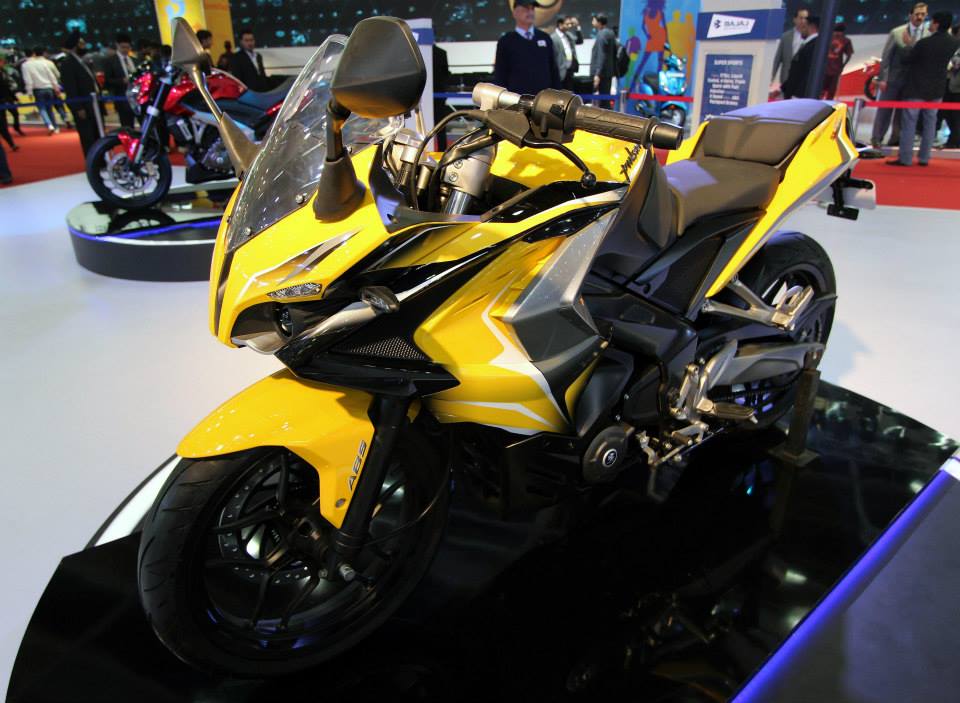
 TVS Apache RTR 300 will share its platform, engine and components with the BMW G310 R. (Representational Image)


 Tesla Model 3 is powered by a 60kw hour lithium-ion battery pack that promises a range of around 300kms per charge.